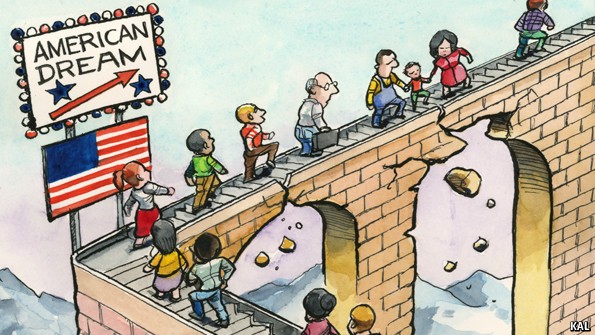
Utilitarian happiness is approached through an economic lens in line with a cost benefit analysis (see p. 124) What are some implications for thinking of happiness as a balance of costs and benefits to one’s own nation? Can a growing desire for collective benefits harm a nation as we willingly accept higher costs? In what ways are we seeing examples of this today in our own country?
Quote on p.125 reminds me of the happiness promised to immigrants today. Can we begin to view this happiness as a sort of force given humans moral duty to find happiness? Can we give examples of how happiness has been forced upon us in our lives? In what ways can we reclaim agency in these examples?
Extension of our conversation on Objects and Happiness: Read underlined quote as well Quote on p. 126 highlights the child who see objects as the source of pleasure is uneducated and immature, yet this is what we as humans have been conditioned to do. “The impartial witness- the civilized man- stands back and looks for the true cause of actions in the world”
Can you think of examples of “the impartial witness” or “the civilized man?” Perhaps there are times you can think of when you adopted this role?
Quote from p. 135 Are there any other examples of people becoming happy objects? Can you think of a time when you yourself played this role? In what ways might these roles be harmful (HINT: think of one’s proximity to whiteness)
Quote on p. 152. It seems like Ahmed is associating happiness with a sense of belonging, with a being-at-home, for the melancholy migrant, or at least that belonging is the happy object that is being pursued. How do you feel desiring belonging, or at least the feeling thereof, changes the character of happiness, if at all? Is it any more hopeful or satisfying?
Ahmed discusses, on page 155, how Yasmin’s father desires her to be English in the right way, the cultured way. We often use the word cultured to differentiate that which is ‘quality’ music, dance, literature from that which is not. There is a kind of elitism, a gatekeeping of cultures from ‘being cultured’ at play here. Have you ever experienced a time when your culture/tastes caused others to think poorly/highly of you as a result of this difference?
Ahmed makes a strong connection, on pages 156-157, between happiness becoming a place, the ‘whatever’ of happiness becoming a ‘wherever’, a literal happy place. She remarks that someone that is alienated from happiness ‘ cannot make [her]self belong “anywhere”’. Does this ring true to us? Especially in the context of the ‘American Dream’, we have been continually exposed to the idea that anyone can make our nation their home. How can we reconcile these two thoughts? Is a place where all are welcome truly possible, in Ahmed’s view or yours?
Shared by: Laura and Hunter
Image Credit: https://medium.com/fhsaplang/the-american-dream-changing-or-gone-99cec832386b